Matthew has been working with tools his entire life. Rebuilding his first engine at 15, he's spent years in the diesel mechanic industry, repaired complex conveyor systems, and mastered hands-on troubleshooting.
Having served as the sole Telebelt mechanic in the Midwest for three years, Matthew possesses deep, practical knowledge of heavy equipment and machinery.
If you’re unsure about what you need, he can walk you through the entire process — from choosing the right tool to securing the best price.
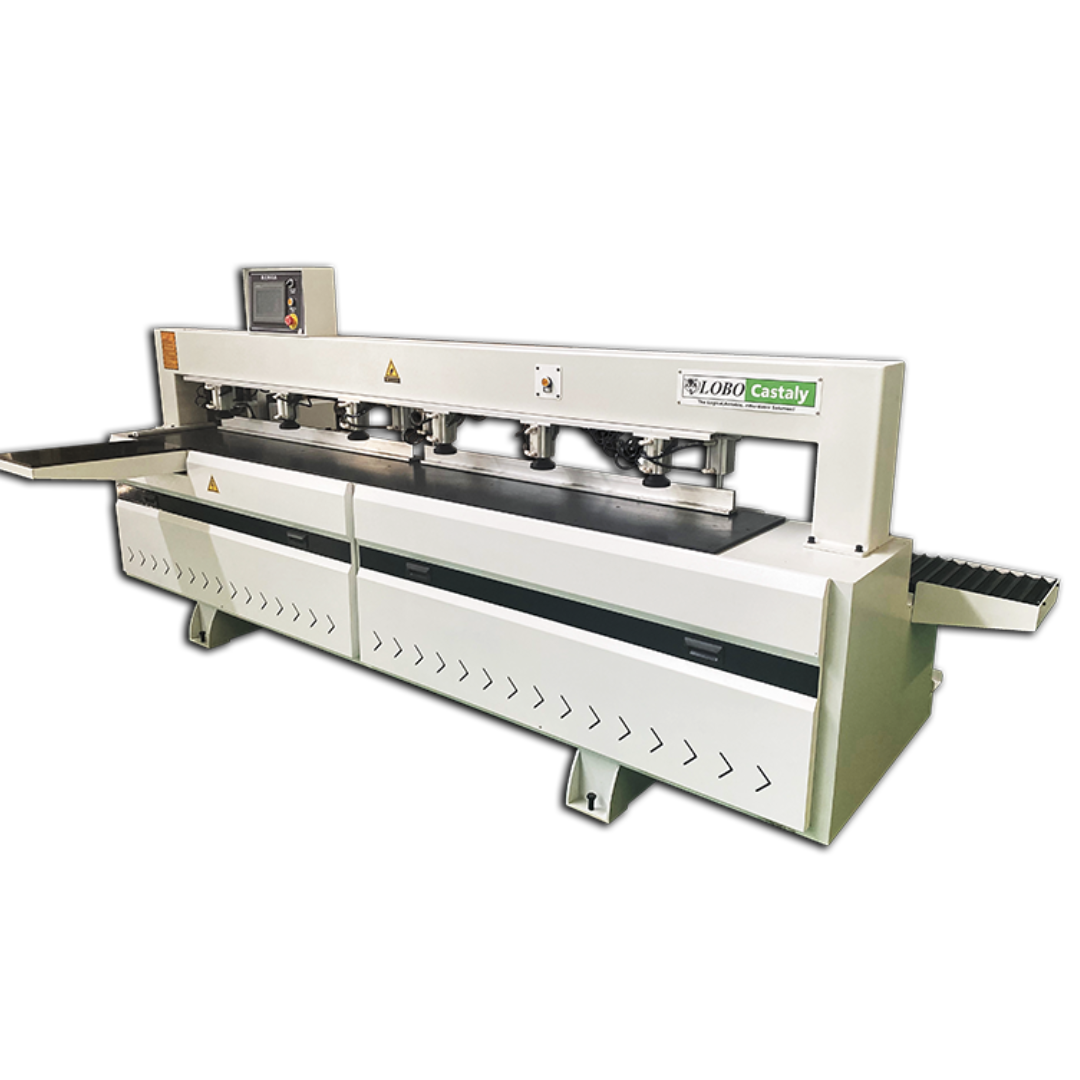
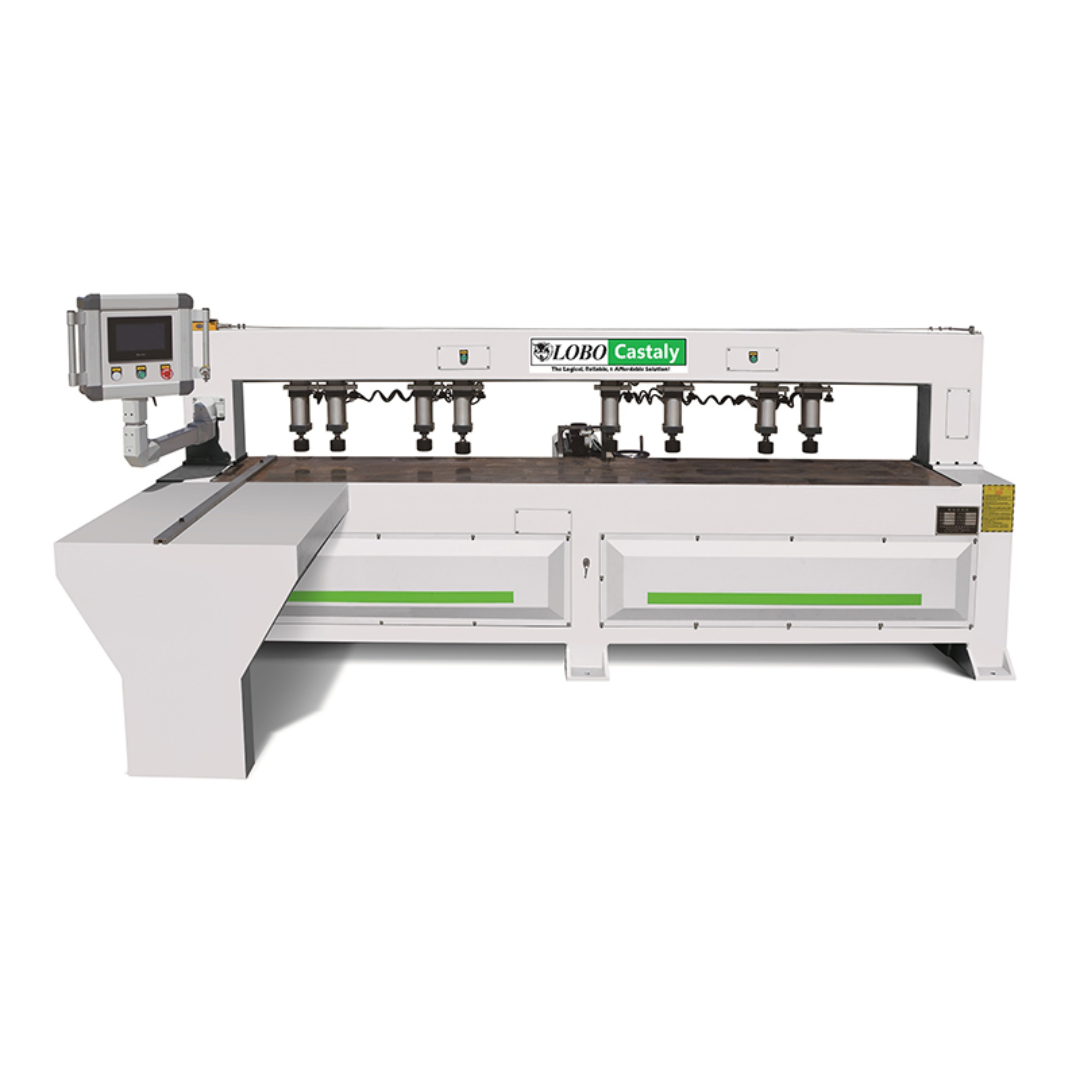
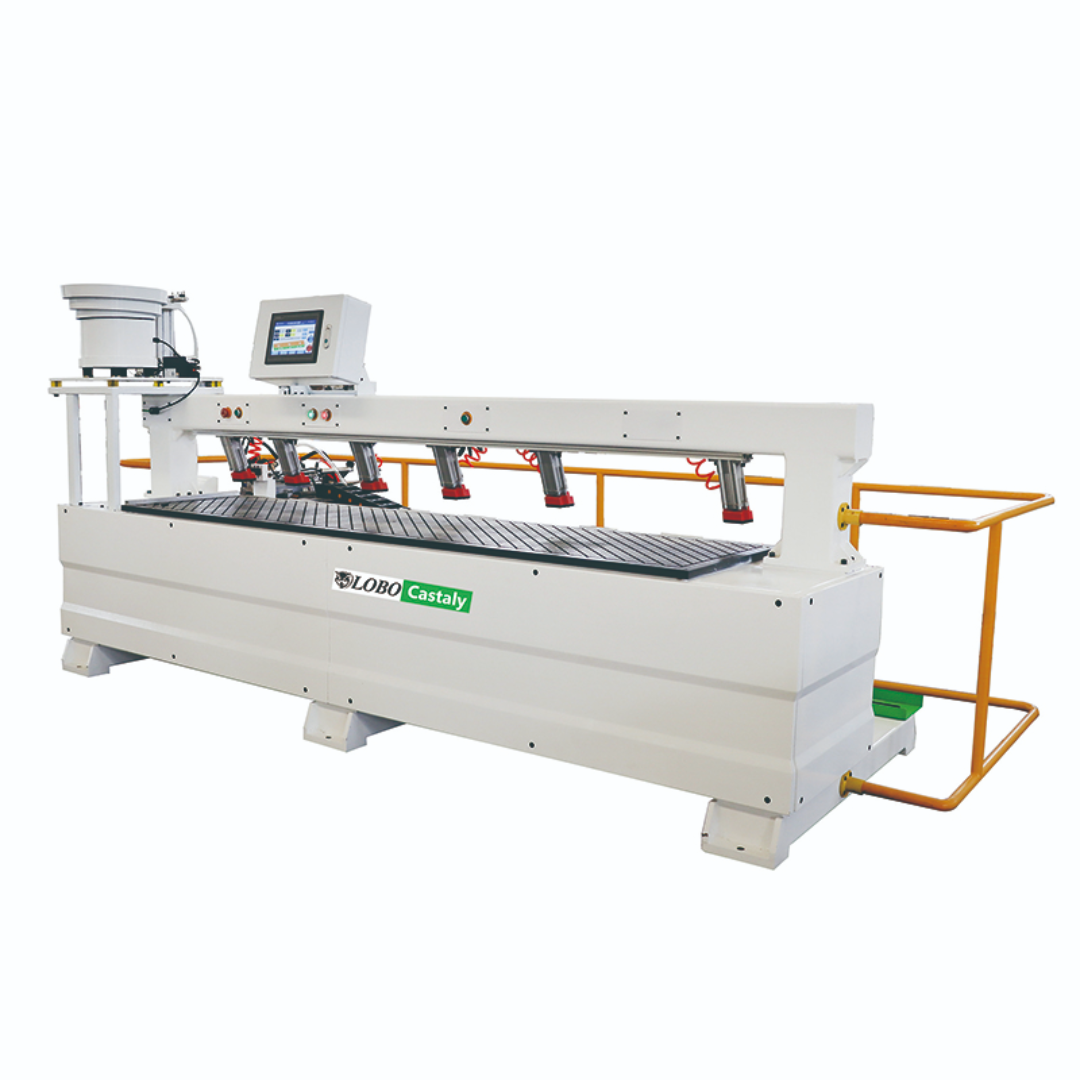
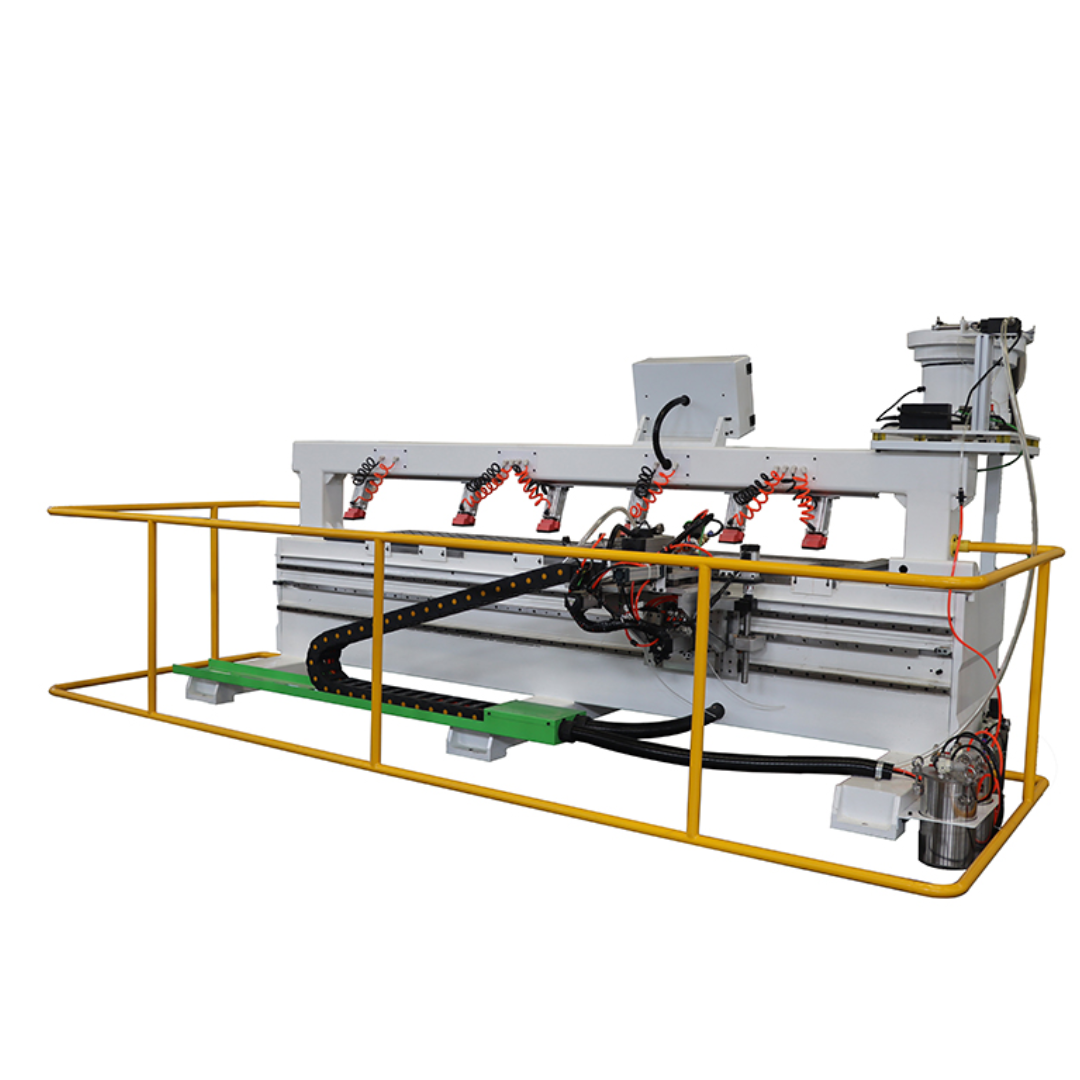
Frequently Asked Questions for CNC Boring Machines
Common basic questions include what CAD/CAM software is required to generate G-code, the maximum cutting speeds and feed rates the machine can handle, and the power requirements needed for installation. Users also frequently ask about the differences between 3-axis, 4-axis, and 5-axis capabilities, as well as routine maintenance procedures like lubrication and calibration.
The five most common types used in modern manufacturing are CNC mills, CNC lathes, CNC plasma cutters, CNC laser cutters, and CNC routers.
Computer Numerical Control (CNC) technology originated from John T. Parsons in the late 1940s when he sought a precise method to manufacture complex helicopter rotor blades and aircraft skin panels using punched data cards.
The CNC vertical milling machine (vertical machining center) is the most widely used CNC machine across job shops and manufacturing plants, favored for its versatility in handling diverse milling, pocketing, and drilling tasks on a stationary workpiece.
The top three global manufacturers of CNC machinery, renowned for their heavy industrial reliability, technological innovation, and market share, are Yamazaki Mazak (Japan), DMG MORI (Germany/Japan), and Haas Automation (USA).